READING LIST & RESOURCES
Influences & Inspirations
This page gathers some of the books, podcasts, courses, thinkers, teachers, collectives, and creative works that have shaped how I think, teach, research, facilitate, and move through the world.
These resources are not a definitive list, nor are they meant to flatten the relationships, teachings, and lived experiences that continue to shape my practice. Instead, this page offers a collection of works I return to often, recommend frequently, and carry with me in my efforts to practice education, research, and leadership with more care, responsibility, imagination, and accountability.
THINKERS, TEACHERS & BODIES OF WORK
adrienne maree brown
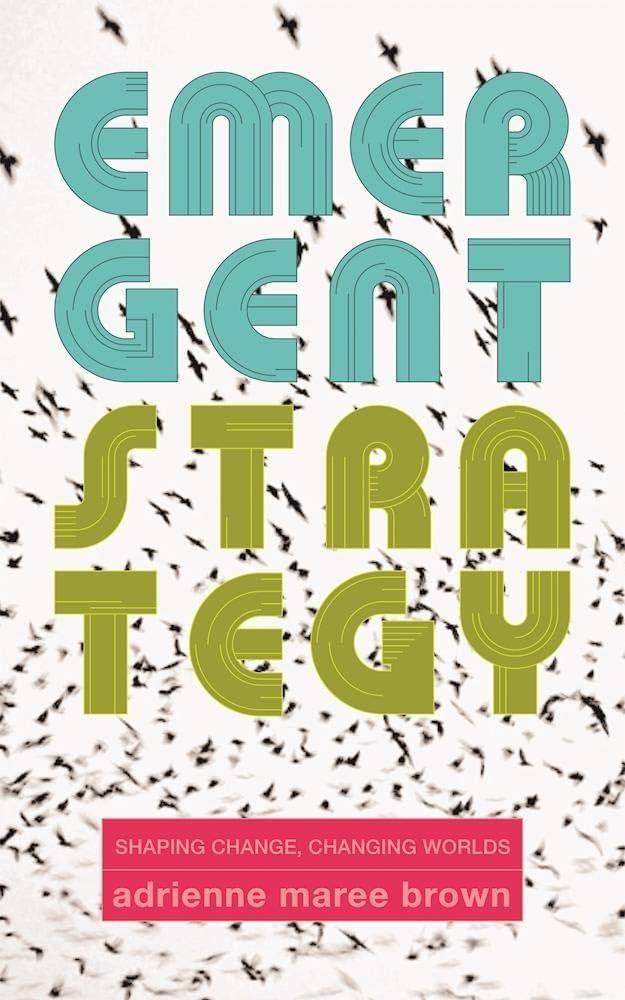
adrienne maree brown’s work has deeply shaped how I understand change, facilitation, imagination, pleasure, justice, and collective care. Her writing reminds me that transformation happens at multiple scales: within ourselves, our relationships, our communities, and the systems we are part of. I return often to her invitations to practice emergence, to move at the speed of trust, and to remember that what we practice at the small scale can shape what becomes possible at the larger scale.
RECOMMENDED WORKS:
Emergent Strategy: Shaping Change, Changing Worlds
Pleasure Activism: The Politics of Feeling Good
Holding Change: The Way of Emergent Strategy Facilitation and Mediation
How to Survive the End of the World podcast, co-hosted with Autumn Brown
Vanessa Andreotti
Vanessa Andreotti’s work has shaped my understanding of modernity, coloniality, education, responsibility, and the limits of “solutions” that emerge from the same systems that created harm. Her writing invites deeper reflection on what it means to sit with complexity, compost harmful patterns, and imagine ways of being beyond dominant colonial, capitalist, and human-centered logics.
RECOMMENDED WORKS:
Hospicing Modernity: Facing Humanity’s Wrongs and the Implications for Social Activism
Outgrowing Modernity
Gesturing Towards Decolonial Futures Collective
The Gesturing Towards Decolonial Futures Collective has shaped how I think about decolonization, settler responsibility, modernity, education, and the difficult work of interrupting harmful patterns without seeking innocence or easy resolution. Their work offers tools, questions, and frameworks for engaging complexity, complicity, accountability, and responsibility in ways that are challenging, generous, and necessary.
Robin Wall Kimmere
Robin Wall Kimmerer’s writing continues to shape how I understand reciprocity, gratitude, kinship, ecology, and responsibility to the more-than-human world. Her work offers a powerful reminder that knowledge is not only held in books or institutions, but also in plants, places, languages, relationships, and acts of care.
RECOMMENDED works:
Braiding Sweetgrass: Indigenous Wisdom, Scientific Knowledge, and the Teachings of Plants
The Serviceberry: Abundance and Reciprocity in the Natural World
Yung Pueblo
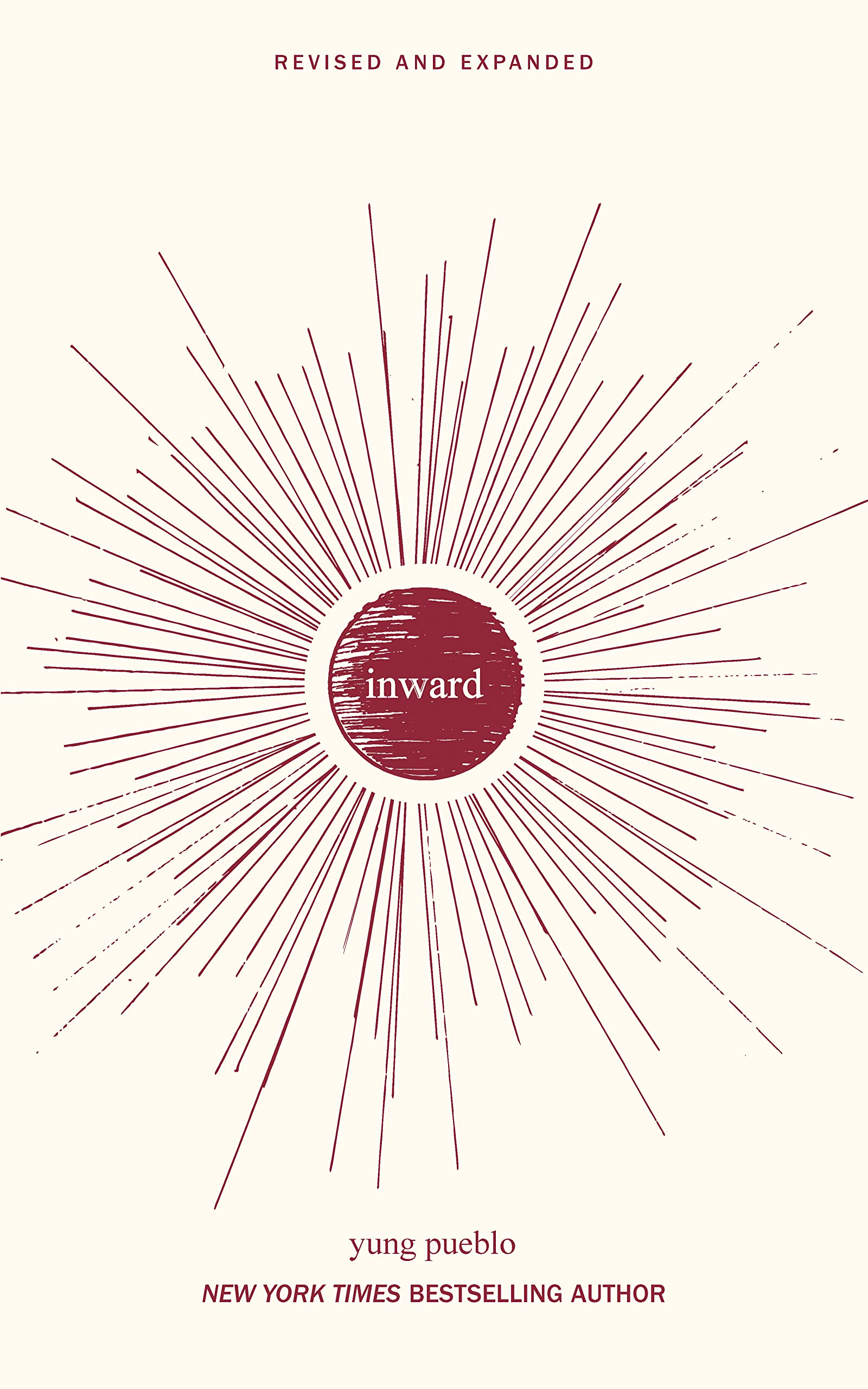
Yung Pueblo’s writing has supported my thinking around healing, self-awareness, emotional maturity, and the relationship between inner transformation and collective change. His work offers accessible reflections on letting go, becoming lighter, and practicing greater compassion with ourselves and others. I recommend all of his books, starting with Inward.
Octavia Butler
Octavia Butler’s work has shaped my imagination around survival, adaptation, community, power, and change. Her fiction offers more than story; it invites us to consider what we carry forward, what we must release, and how we might build new ways of living amid collapse, uncertainty, and transformation. I recommend all of her books, especially Parable of the Sower.
Nancy Turner
Nancy Turner’s work has deeply informed my understanding of ethnobotany, plant knowledge, ecological relationships, and the long-standing expertise of Indigenous peoples in what is now known as British Columbia. Her writing offers important insight into the relationships between people, plants, place, language, food systems, and cultural continuity.
RECOMMENDED works:
The Earth’s Blanket: Traditional Teachings for Sustainable Living
Ancient Pathways, Ancestral Knowledge: Ethnobotany and Ecological Wisdom of Indigenous Peoples of Northwestern North America
Lindsay Keegitah Borrows
Lindsay Borrows’ work has influenced how I think about Indigenous law, language, story, land, and relationship. Her writing invites readers to understand law not only as something written in legal systems, but as something carried through stories, waters, lands, responsibilities, and everyday practices of listening and learning.
RECOMMENDED WORK:
Otter’s Journey Through Indigenous Language and Law
John Borrows
John Borrows’ work has shaped my thinking about Indigenous law, responsibility, and the possibilities of legal and educational systems grounded in relationship, place, and story. His writing has helped me better understand law as living, relational, and connected to the responsibilities we hold to one another and the world around us.
RECOMMENDED WORKS:
Law’s Indigenous Ethics
Recovering Canada: The Resurgence of Indigenous Law
Tricia Hersey
Tricia Hersey’s work has deeply shaped my thinking about rest, grind culture, refusal, dreaming, and liberation. Her writing reminds me that rest is not a reward for productivity, but a necessary practice of resistance, repair, and reconnection.
RECOMMENDED WORKS:
Rest Is Resistance: A Manifesto
bell hooks
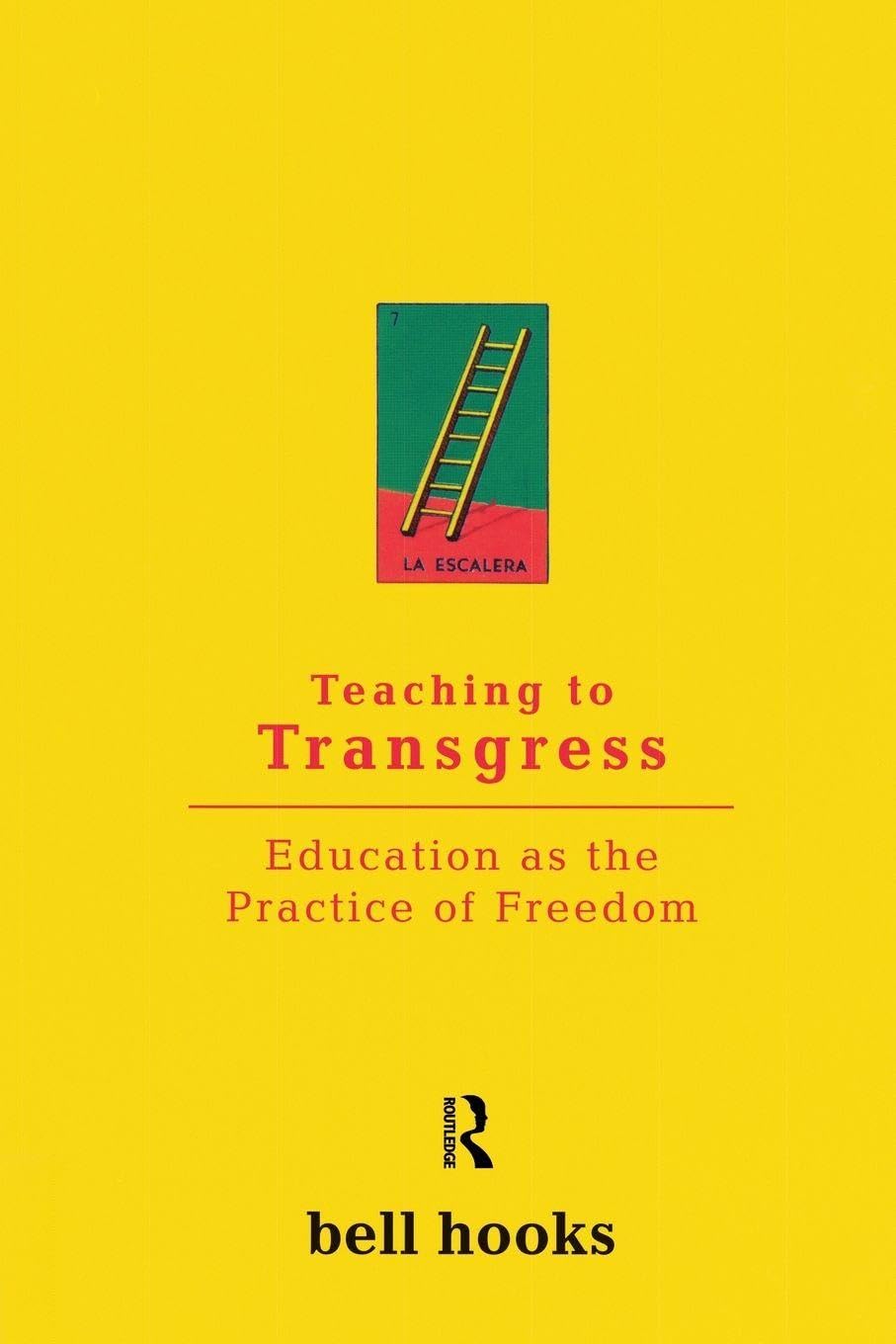
bell hooks’ writing continues to shape how I think about love, teaching, justice, community, and liberation. Her work reminds me that education can be a practice of freedom, and that love is not passive or sentimental, but active, courageous, and deeply connected to justice.
RECOMMENDED WORKS:
Teaching to Transgress: Education as the Practice of Freedom
All About Love: New Visions
Amba Sepie
Amba Sepie’s writing has been important in shaping how I reflect on settler responsibility, kinship, place, and what it means to show up for the work that relationships require. Her words continue to stay with me as I consider my own responsibilities as a settler living on Indigenous lands.
RECOMMENDED WORK:
“Settled Kin Coming Home to Where We Now Belong” in Kinship: Belonging in a World of Relations: Vol. 5. Practice
THINKERS, TEACHERS & BODIES OF WORK
adrienne maree brown
adrienne maree brown’s work has deeply shaped how I understand change, facilitation, imagination, pleasure, justice, and collective care. Her writing reminds me that transformation happens at multiple scales: within ourselves, our relationships, our communities, and the systems we are part of. I return often to her invitations to practice emergence, to move at the speed of trust, and to remember that what we practice at the small scale can shape what becomes possible at the larger scale.
RECOMMENDED WORKS:
Emergent Strategy: Shaping Change, Changing Worlds
Pleasure Activism: The Politics of Feeling Good
Holding Change: The Way of Emergent Strategy Facilitation and Mediation
How to Survive the End of the World podcast, co-hosted with Autumn Brown
Vanessa Andreotti
Vanessa Andreotti’s work has shaped my understanding of modernity, coloniality, education, responsibility, and the limits of “solutions” that emerge from the same systems that created harm. Her writing invites deeper reflection on what it means to sit with complexity, compost harmful patterns, and imagine ways of being beyond dominant colonial, capitalist, and human-centered logics.
RECOMMENDED WORKS:
Hospicing Modernity: Facing Humanity’s Wrongs and the Implications for Social Activism
Outgrowing Modernity
Gesturing Towards Decolonial Futures Collective
The Gesturing Towards Decolonial Futures Collective has shaped how I think about decolonization, settler responsibility, modernity, education, and the difficult work of interrupting harmful patterns without seeking innocence or easy resolution. Their work offers tools, questions, and frameworks for engaging complexity, complicity, accountability, and responsibility in ways that are challenging, generous, and necessary.
Robin Wall Kimmere
Robin Wall Kimmerer’s writing continues to shape how I understand reciprocity, gratitude, kinship, ecology, and responsibility to the more-than-human world. Her work offers a powerful reminder that knowledge is not only held in books or institutions, but also in plants, places, languages, relationships, and acts of care.
RECOMMENDED works:
Braiding Sweetgrass: Indigenous Wisdom, Scientific Knowledge, and the Teachings of Plants
The Serviceberry: Abundance and Reciprocity in the Natural World
Yung Pueblo
Yung Pueblo’s writing has supported my thinking around healing, self-awareness, emotional maturity, and the relationship between inner transformation and collective change. His work offers accessible reflections on letting go, becoming lighter, and practicing greater compassion with ourselves and others. I recommend all of his books, starting with Inward.
Octavia Butler
Octavia Butler’s work has shaped my imagination around survival, adaptation, community, power, and change. Her fiction offers more than story; it invites us to consider what we carry forward, what we must release, and how we might build new ways of living amid collapse, uncertainty, and transformation. I recommend all of her books, especially Parable of the Sower.
Nancy Turner
Nancy Turner’s work has deeply informed my understanding of ethnobotany, plant knowledge, ecological relationships, and the long-standing expertise of Indigenous peoples in what is now known as British Columbia. Her writing offers important insight into the relationships between people, plants, place, language, food systems, and cultural continuity.
RECOMMENDED works:
The Earth’s Blanket: Traditional Teachings for Sustainable Living
Ancient Pathways, Ancestral Knowledge: Ethnobotany and Ecological Wisdom of Indigenous Peoples of Northwestern North America
Lindsay Keegitah Borrows
Lindsay Borrows’ work has influenced how I think about Indigenous law, language, story, land, and relationship. Her writing invites readers to understand law not only as something written in legal systems, but as something carried through stories, waters, lands, responsibilities, and everyday practices of listening and learning.
RECOMMENDED WORK:
Otter’s Journey Through Indigenous Language and Law
John Borrows
John Borrows’ work has shaped my thinking about Indigenous law, responsibility, and the possibilities of legal and educational systems grounded in relationship, place, and story. His writing has helped me better understand law as living, relational, and connected to the responsibilities we hold to one another and the world around us.
RECOMMENDED WORKS:
Law’s Indigenous Ethics
Recovering Canada: The Resurgence of Indigenous Law
Tricia Hersey
Tricia Hersey’s work has deeply shaped my thinking about rest, grind culture, refusal, dreaming, and liberation. Her writing reminds me that rest is not a reward for productivity, but a necessary practice of resistance, repair, and reconnection.
RECOMMENDED WORKS:
Rest Is Resistance: A Manifesto
bell hooks
bell hooks’ writing continues to shape how I think about love, teaching, justice, community, and liberation. Her work reminds me that education can be a practice of freedom, and that love is not passive or sentimental, but active, courageous, and deeply connected to justice.
RECOMMENDED WORKS:
Teaching to Transgress: Education as the Practice of Freedom
All About Love: New Visions
Amba Sepie
Amba Sepie’s writing has been important in shaping how I reflect on settler responsibility, kinship, place, and what it means to show up for the work that relationships require. Her words continue to stay with me as I consider my own responsibilities as a settler living on Indigenous lands.
RECOMMENDED WORK:
“Settled Kin Coming Home to Where We Now Belong” in Kinship: Belonging in a World of Relations: Vol. 5. Practice
THINKERS, TEACHERS & BODIES OF WORK
adrienne maree brown
adrienne maree brown’s work has deeply shaped how I understand change, facilitation, imagination, pleasure, justice, and collective care. Her writing reminds me that transformation happens at multiple scales: within ourselves, our relationships, our communities, and the systems we are part of. I return often to her invitations to practice emergence, to move at the speed of trust, and to remember that what we practice at the small scale can shape what becomes possible at the larger scale.
RECOMMENDED WORKS:
Emergent Strategy: Shaping Change, Changing Worlds
Pleasure Activism: The Politics of Feeling Good
Holding Change: The Way of Emergent Strategy Facilitation and Mediation
How to Survive the End of the World podcast, co-hosted with Autumn Brown
Vanessa Andreotti
Vanessa Andreotti’s work has shaped my understanding of modernity, coloniality, education, responsibility, and the limits of “solutions” that emerge from the same systems that created harm. Her writing invites deeper reflection on what it means to sit with complexity, compost harmful patterns, and imagine ways of being beyond dominant colonial, capitalist, and human-centered logics.
RECOMMENDED WORKS:
Hospicing Modernity: Facing Humanity’s Wrongs and the Implications for Social Activism
Outgrowing Modernity
Gesturing Towards Decolonial Futures Collective
The Gesturing Towards Decolonial Futures Collective has shaped how I think about decolonization, settler responsibility, modernity, education, and the difficult work of interrupting harmful patterns without seeking innocence or easy resolution. Their work offers tools, questions, and frameworks for engaging complexity, complicity, accountability, and responsibility in ways that are challenging, generous, and necessary.
Robin Wall Kimmere
Robin Wall Kimmerer’s writing continues to shape how I understand reciprocity, gratitude, kinship, ecology, and responsibility to the more-than-human world. Her work offers a powerful reminder that knowledge is not only held in books or institutions, but also in plants, places, languages, relationships, and acts of care.
RECOMMENDED works:
Braiding Sweetgrass: Indigenous Wisdom, Scientific Knowledge, and the Teachings of Plants
The Serviceberry: Abundance and Reciprocity in the Natural World
Yung Pueblo
Yung Pueblo’s writing has supported my thinking around healing, self-awareness, emotional maturity, and the relationship between inner transformation and collective change. His work offers accessible reflections on letting go, becoming lighter, and practicing greater compassion with ourselves and others. I recommend all of his books, starting with Inward.
Octavia Butler
Octavia Butler’s work has shaped my imagination around survival, adaptation, community, power, and change. Her fiction offers more than story; it invites us to consider what we carry forward, what we must release, and how we might build new ways of living amid collapse, uncertainty, and transformation. I recommend all of her books, especially Parable of the Sower.
Nancy Turner
Nancy Turner’s work has deeply informed my understanding of ethnobotany, plant knowledge, ecological relationships, and the long-standing expertise of Indigenous peoples in what is now known as British Columbia. Her writing offers important insight into the relationships between people, plants, place, language, food systems, and cultural continuity.
RECOMMENDED works:
The Earth’s Blanket: Traditional Teachings for Sustainable Living
Ancient Pathways, Ancestral Knowledge: Ethnobotany and Ecological Wisdom of Indigenous Peoples of Northwestern North America
Lindsay Keegitah Borrows
Lindsay Borrows’ work has influenced how I think about Indigenous law, language, story, land, and relationship. Her writing invites readers to understand law not only as something written in legal systems, but as something carried through stories, waters, lands, responsibilities, and everyday practices of listening and learning.
RECOMMENDED WORK:
Otter’s Journey Through Indigenous Language and Law
John Borrows
John Borrows’ work has shaped my thinking about Indigenous law, responsibility, and the possibilities of legal and educational systems grounded in relationship, place, and story. His writing has helped me better understand law as living, relational, and connected to the responsibilities we hold to one another and the world around us.
RECOMMENDED WORKS:
Law’s Indigenous Ethics
Recovering Canada: The Resurgence of Indigenous Law
Tricia Hersey
Tricia Hersey’s work has deeply shaped my thinking about rest, grind culture, refusal, dreaming, and liberation. Her writing reminds me that rest is not a reward for productivity, but a necessary practice of resistance, repair, and reconnection.
RECOMMENDED WORKS:
Rest Is Resistance: A Manifesto
bell hooks
bell hooks’ writing continues to shape how I think about love, teaching, justice, community, and liberation. Her work reminds me that education can be a practice of freedom, and that love is not passive or sentimental, but active, courageous, and deeply connected to justice.
RECOMMENDED WORKS:
Teaching to Transgress: Education as the Practice of Freedom
All About Love: New Visions
Amba Sepie
Amba Sepie’s writing has been important in shaping how I reflect on settler responsibility, kinship, place, and what it means to show up for the work that relationships require. Her words continue to stay with me as I consider my own responsibilities as a settler living on Indigenous lands.
RECOMMENDED WORK:
“Settled Kin Coming Home to Where We Now Belong” in Kinship: Belonging in a World of Relations: Vol. 5. Practice